I led a small team of communications strategists at RALLY in developing the Diversity, Equity, and Inclusion Action Plan for the economic development agency for the State of Oregon.
When you strip away the political hyperbole and momentary outrage, the commitment so many foundations, companies, and governments made to advance Diversity, Equity, and Inclusion (DEI) remains laudable and critical. But implementation, messaging, and assessment have all become more complicated thanks to the Supreme Court’s decision to ban race-based affirmative action in college admissions.
The fear and uncertainty that decision spawned led many of our clients to seek our counsel on how to best move forward. Business Oregon, the economic development agency for the State of Oregon, was one such example. Seeking to integrate DEI into all facets of its operations, including its work with businesses, communities, and sovereign nations, Business Oregon sought our guidance on how to implement the State’s DEI Action Plan—one of the first of its kind in the U.S.
Understanding that DEI work within the agency was fragmented and frequently siloed, and that the agency was missing a shared understanding of how to incorporate DEI into its numerous departments, our approach focused on socializing the idea that “unlocking prosperity for all Oregonians requires bridging the gap.”
To help the agency achieve this vision, we emphasized several key pathways: investing in DEI training and equitable communications internally, improving community engagement to build trust with diverse stakeholders, and enhancing data collection to drive informed efforts and improve accessibility.
Wrapped in a 5-year implementation plan, we supplemented the nitty-gritty with a phased approach to a communications plan that provides recommendations for introducing and discussing DEI efforts with external and internal audiences, updating and engaging stakeholders during plan execution, and implementing practices that center equity in agency communications.
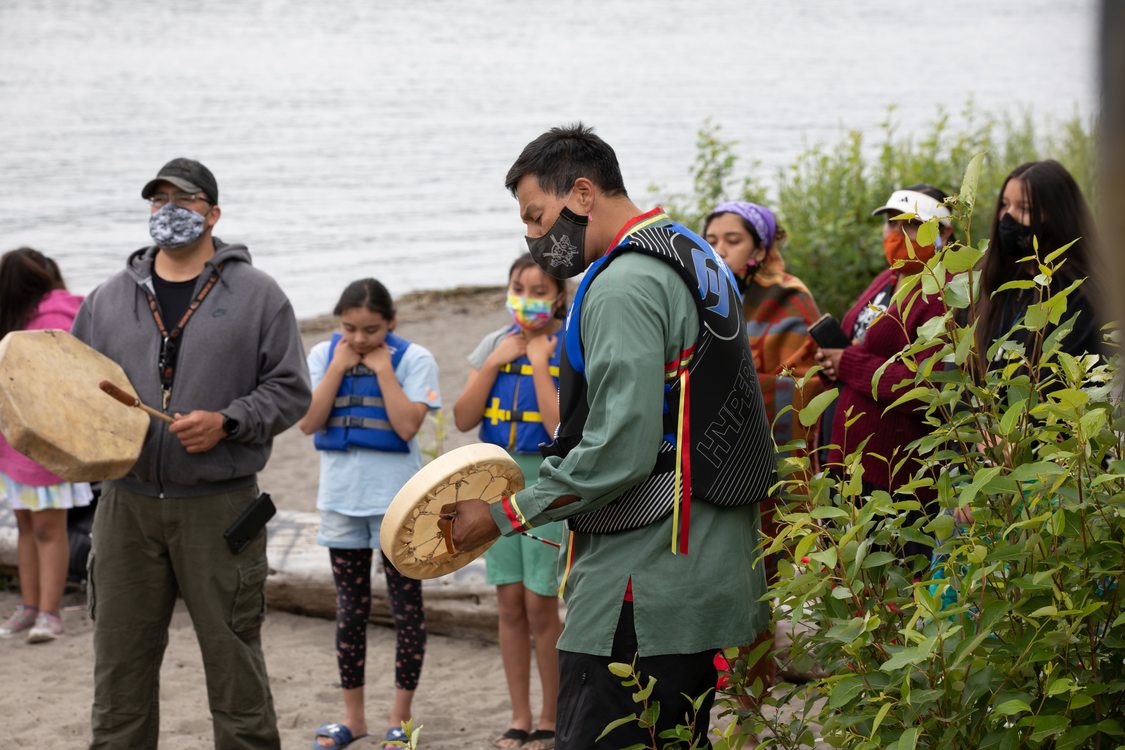
The DEI Strategic Plan RALLY designed was crafted to engage both Business Oregon’s internal staff, from executives to frontline employees, and the wider Oregon community, including local enterprises, regional communities, and Indigenous nations. It reflects Oregon’s growing diversity and prioritizes equity through thoughtful communication and engagement strategies.
 Lena Kazer Álvarez